The Art of Decorative Stitching: Bringing Historical Corset Details to Life

When I first started making corsets, I was captivated by the extraordinary details found on historical examples—the delicate flossing along boning channels, the intricate featherstitching at seam allowances, the tiny cross-stitches that secured bindings. These weren’t just functional elements; they were markers of skill, care, and artistry. The corseted women of the 18th and 19th centuries understood that even undergarments deserved beautiful finishings.
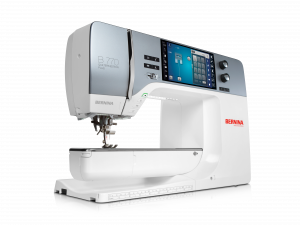
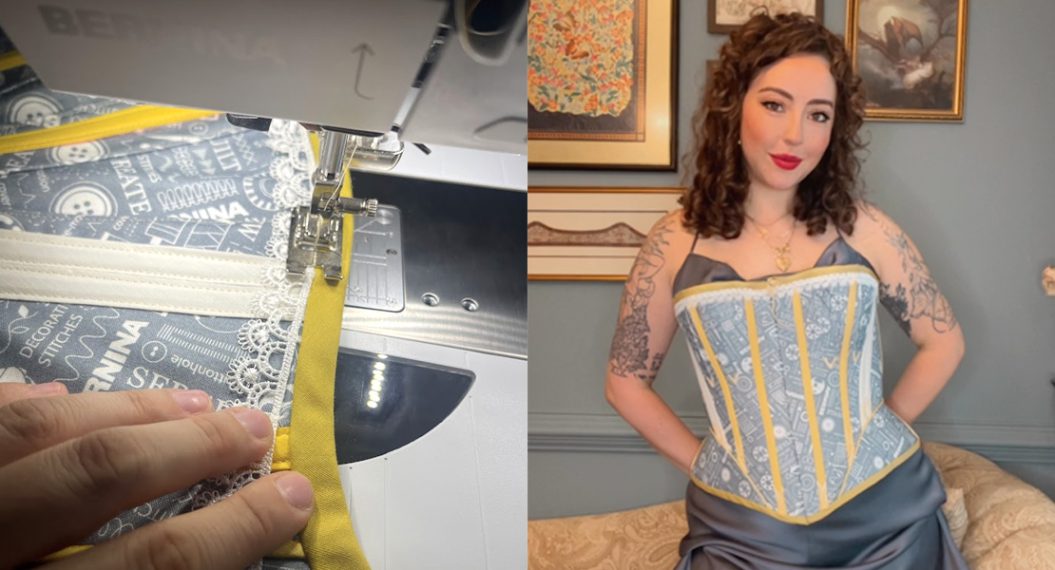
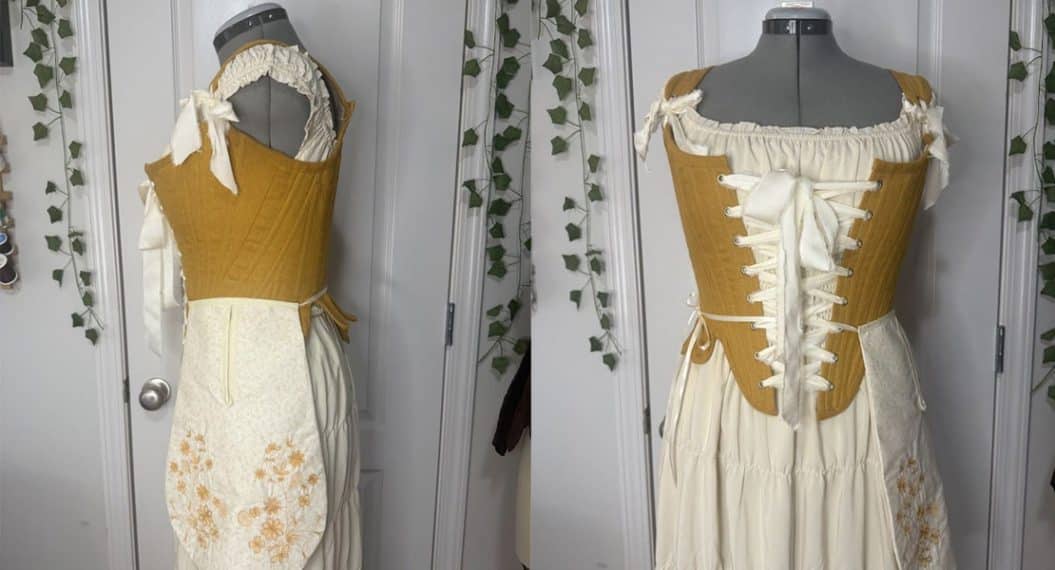
Recently, I completed several corsets and bodices using my BERNINA 770 QE PLUS Kaffe Edition, and I discovered something wonderful: the machine’s decorative stitching features allowed me to easily incorporate some of my favorite historical details with both speed and precision, creating pieces that honor the past while embracing modern efficiency.
The Functional Beauty of Corset Embellishment
In the 18th and 19th centuries, decorative stitching on corsets served multiple purposes. While we often think of embroidery as purely ornamental, these small stitches were workhorses in their own right.
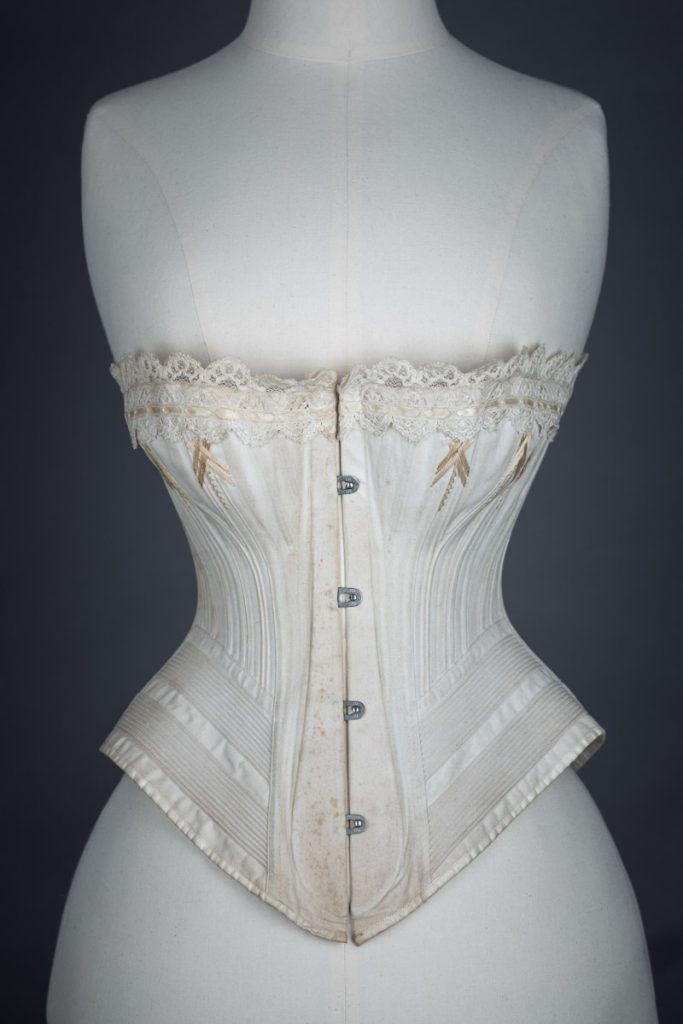
Flossing was perhaps the most iconic decorative element—those parallel lines of silk embroidery thread that ran alongside boning channels. Beyond their visual appeal (often executed in contrasting colors like pink, blue, or yellow silk on white cotton), flossing helped secure the fabric layers together and prevented the casing seams from straining and splitting. On extant examples from museums, you’ll see flossing executed in many different decorative styles.
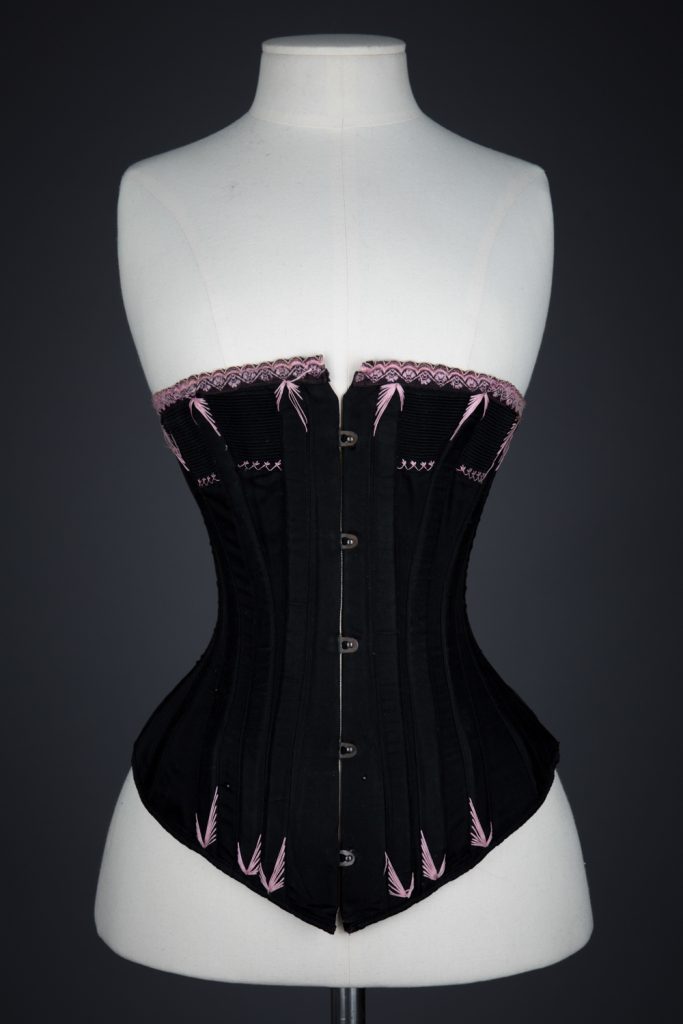
Featherstitching frequently appeared along seam allowances inside the garments, particularly where the fashion fabric met the strength layer. This wasn’t just pretty—it helped distribute stress along the seam and prevented the layers from separating with wear. The rhythmic, branch-like pattern of featherstitching became a signature of fine corset-making.
Decorative edging along the top and bottom of corsets included blanket stitch, picot edging, and scalloped embroidery that both finished raw edges and added a touch of luxury to what was, after all, a foundation garment that the wearer would see and touch every day.
Modern Technology Meets Historical Technique
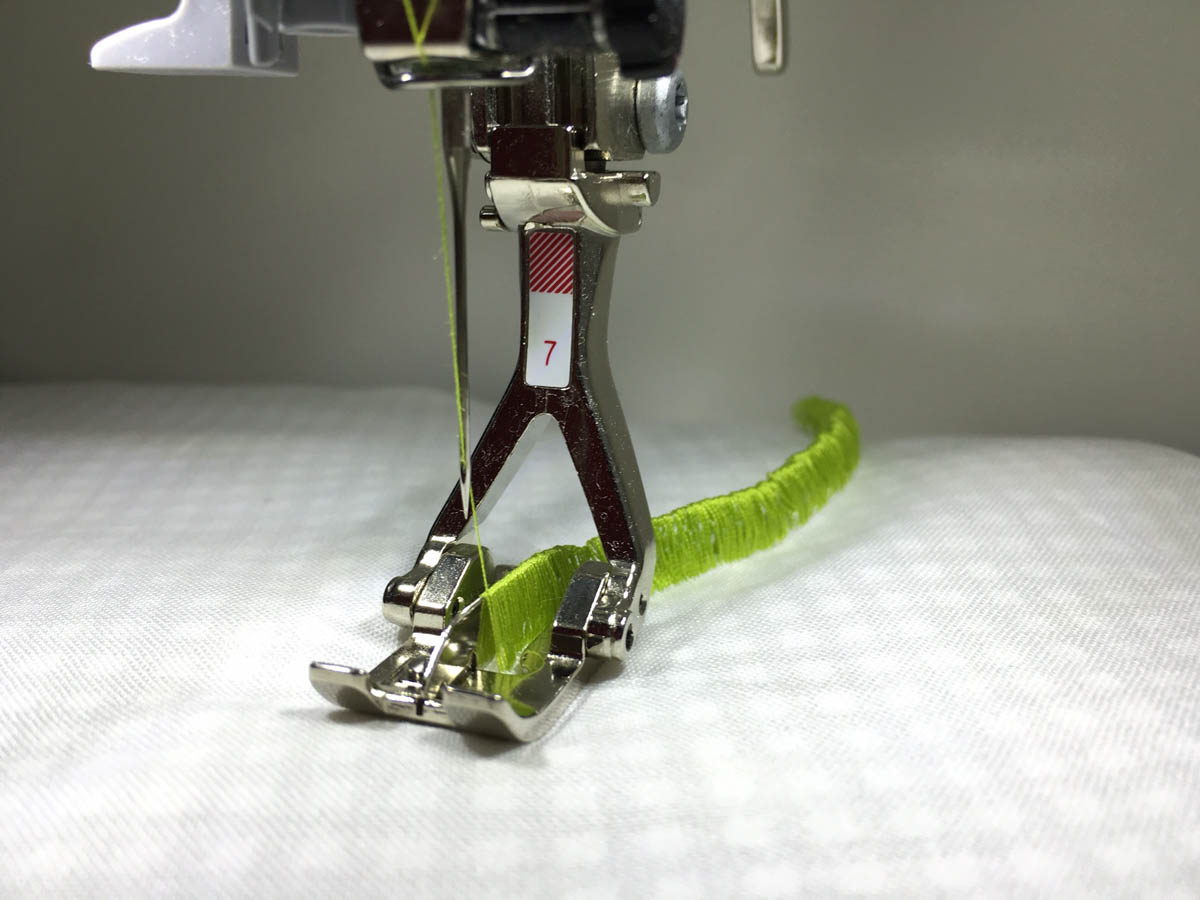
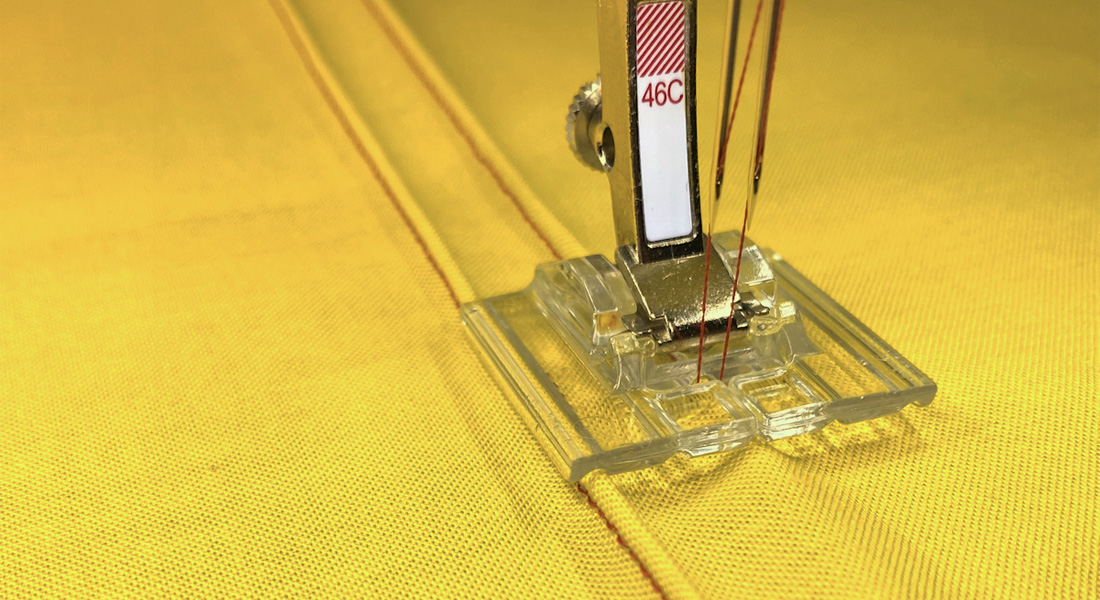
This is where my B 770 QE PLUS became absolutely invaluable. While I deeply respect hand-sewing (and still do plenty of it), the machine’s decorative stitch options allowed me to achieve historically-inspired details with remarkable accuracy and consistency.
Plus, the machine offers 1,840 stitch patterns, including numerous embroidery-style decorative stitches that beautifully mimic historical hand-sewing techniques.
The Details That Made the Difference
What truly impressed me was how the features of the B 770 QE PLUS supported the specific challenges of corset construction.
Adjustable Presser Foot Pressure
The adjustable presser foot pressure was crucial when sewing through multiple layers of fabric while trying to add decorative details. Historical corsetmakers worked with substantial fabrics, and the machine handled these layers without skipping stitches or puckering.
Precise Stitch Length
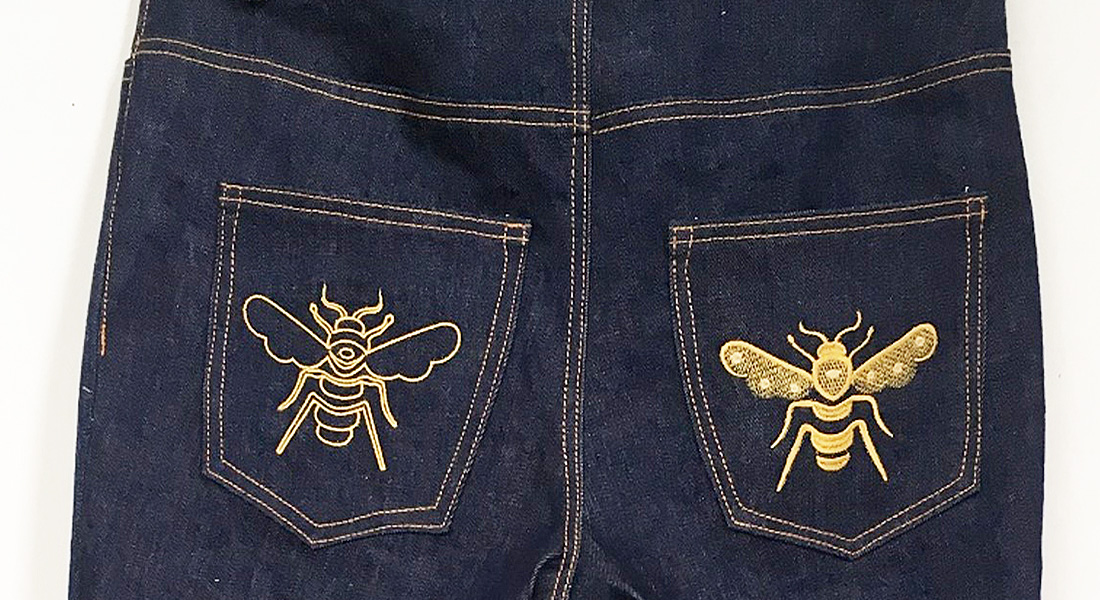
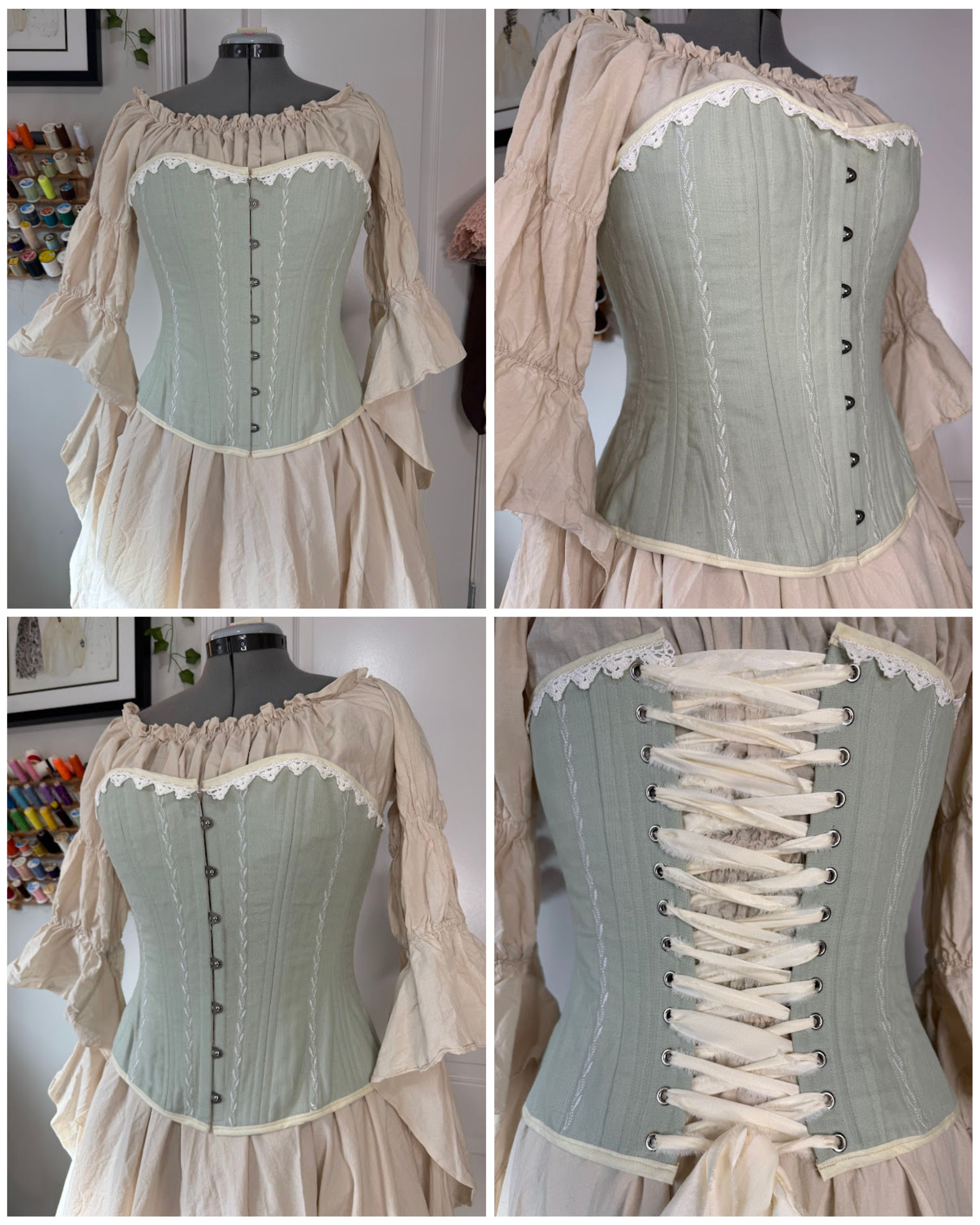
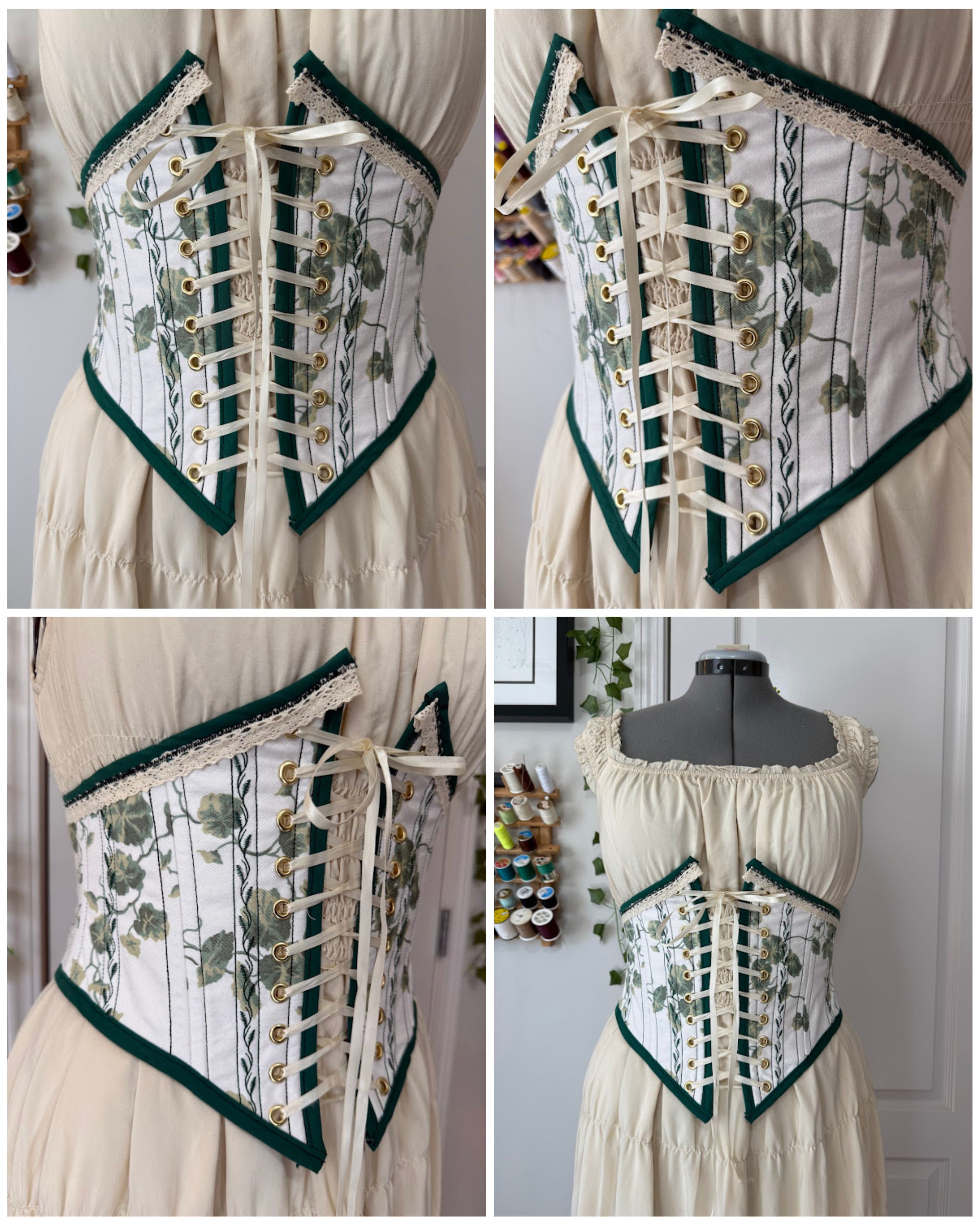
The precise stitch length and width adjustments allowed me to customize each decorative element. For the flossing effect on my corset wasps, I could dial in the exact width that would frame the boning channels beautifully. On the full corsets, I experimented with different widths until I found the proportion that looked most historically appropriate for the scale of the garment.
Adaptive Thread Tension System
The Adaptive Thread Tension System meant that even when switching between straight stitching on heavy fabrics and delicate decorative stitches, the tension remained balanced. Historical corsetmakers would have carefully adjusted their hand tension stitch by stitch—the B 770 QE PLUS did this automatically, allowing me to focus on placement and design rather than technical troubleshooting.
Honoring the Past, Embracing the Present
There’s something deeply satisfying about using a sophisticated modern machine to recreate historical garments. I’m not trying to replicate museum pieces exactly, but instead I’m drawing inspiration from the aesthetic values and construction principles that guided historical corsetmakers, then executing them with the tools available to me today.
These clothing makers of the past were constantly innovating, always looking for better materials, more efficient techniques, and more beautiful results, and they would have marveled at this machine! Using my B 770 QE PLUS to add these decorative details feels like continuing that tradition of innovation rather than abandoning it.
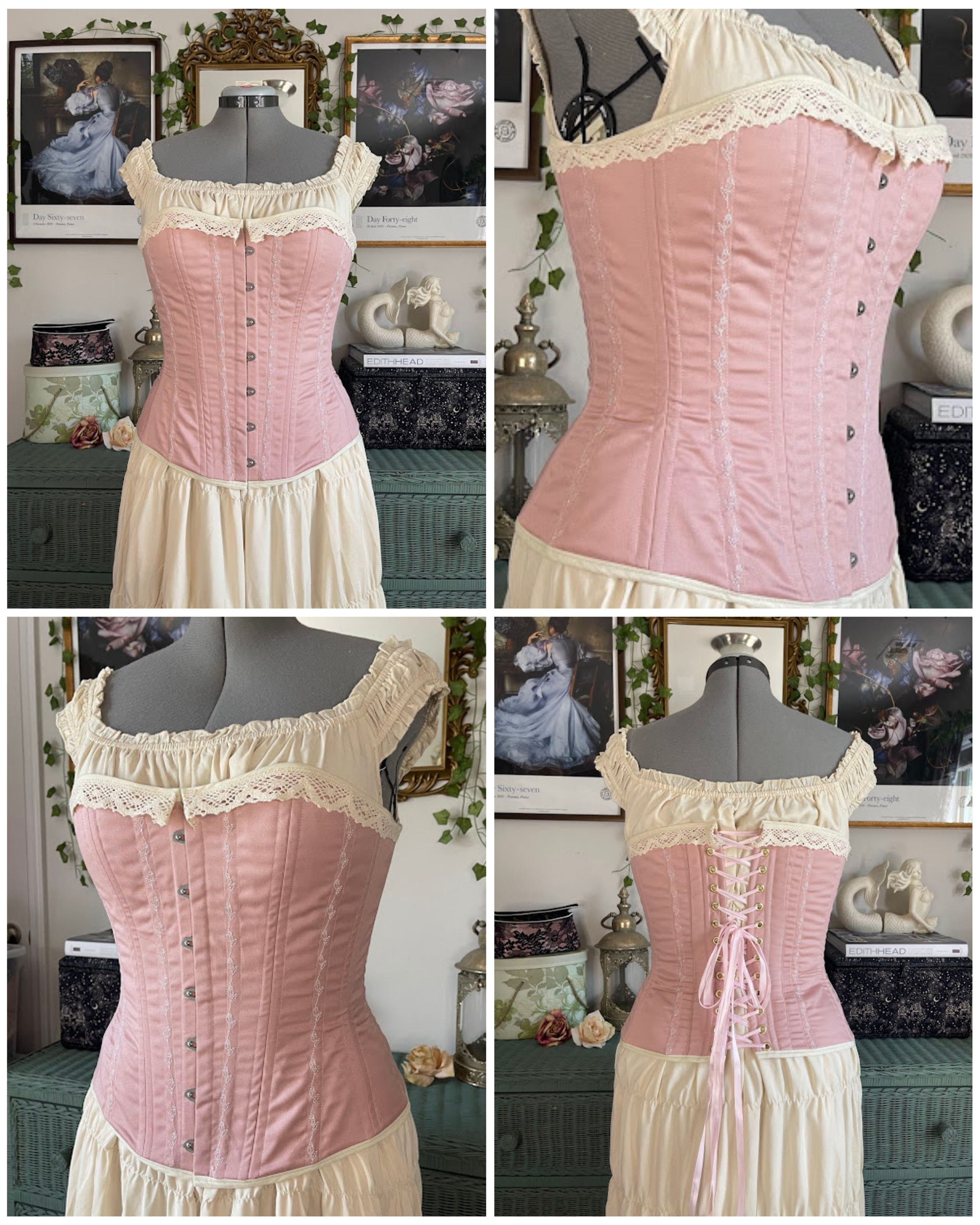
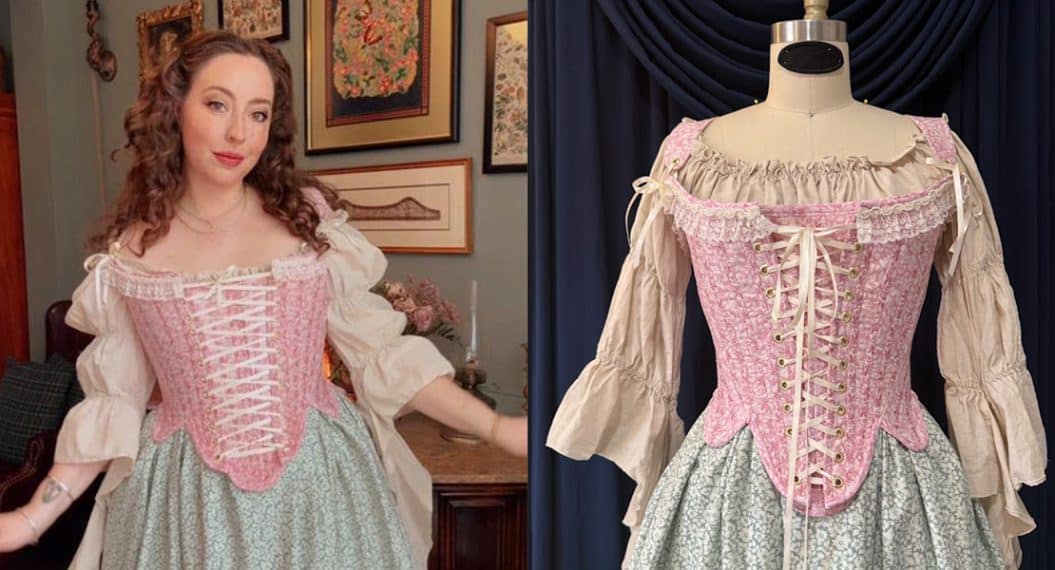
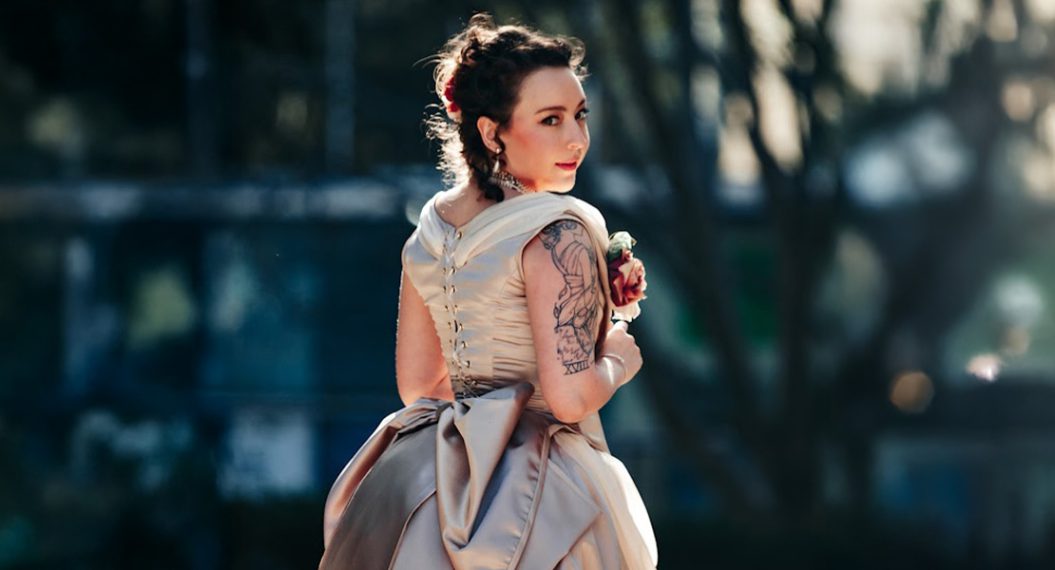
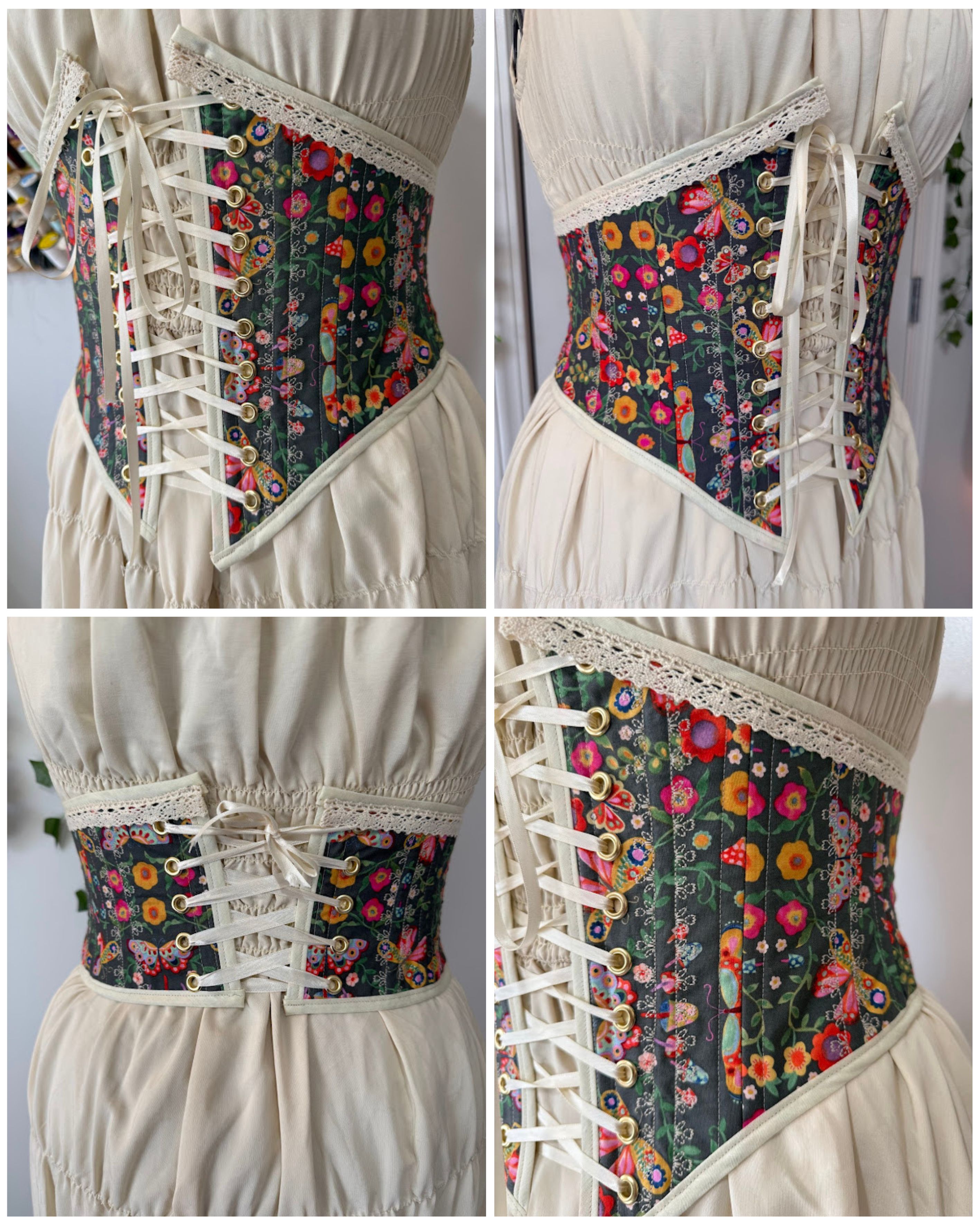
When I look at my finished corsets with their neat rows of decorative stitching decorating the boning channels, and their beautifully finished edges, I see garments that bridge two centuries of craftsmanship. The silhouette is historical, the construction methods are grounded in period techniques, and the decorative details honor the aesthetic values of the past—but the execution is thoroughly modern.
And honestly? That’s the best of both worlds.
Are you incorporating historical details into your projects? I’d love to hear about your favorite techniques—whether hand-sewn, machine-stitched, or a combination of both! Find me on all the socials @jesscronindesigns