Longarm Quilting Fabric for Small Projects

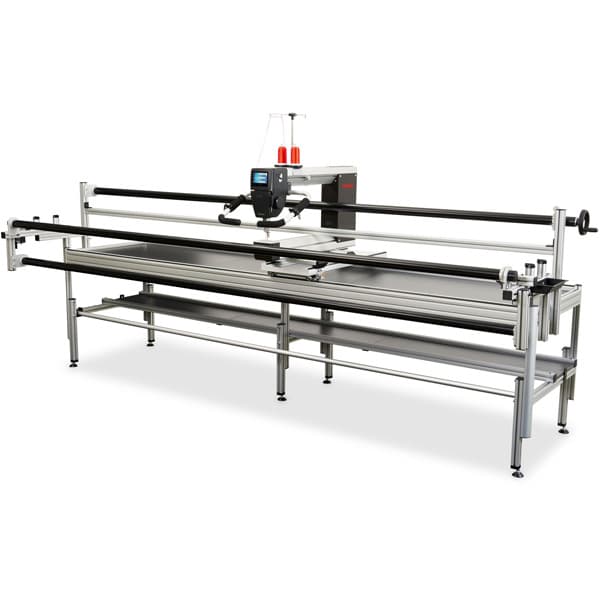
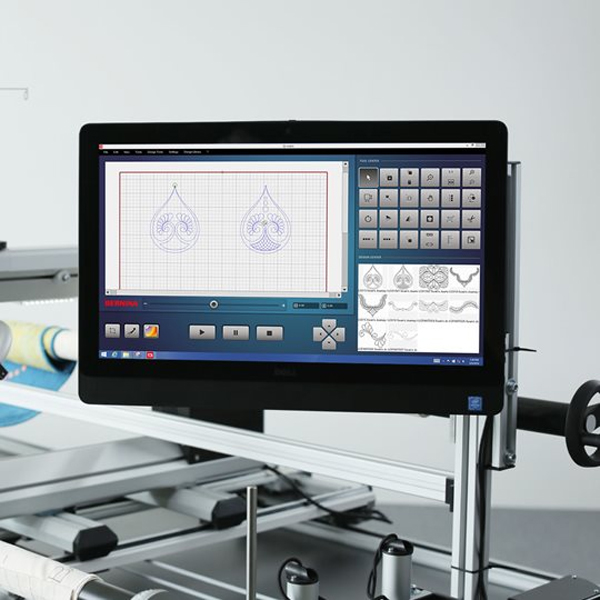
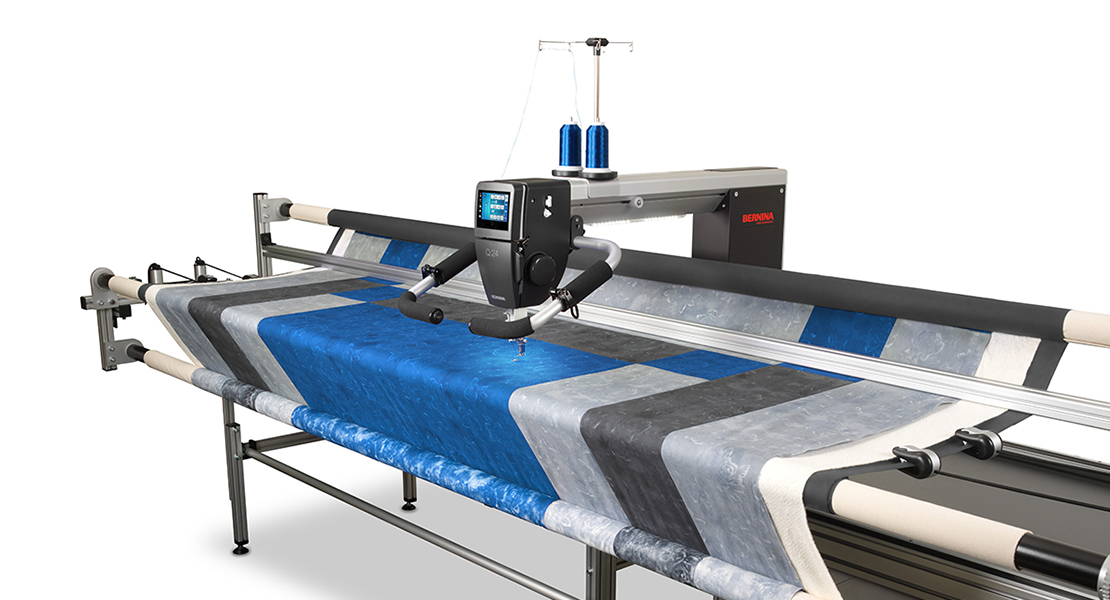
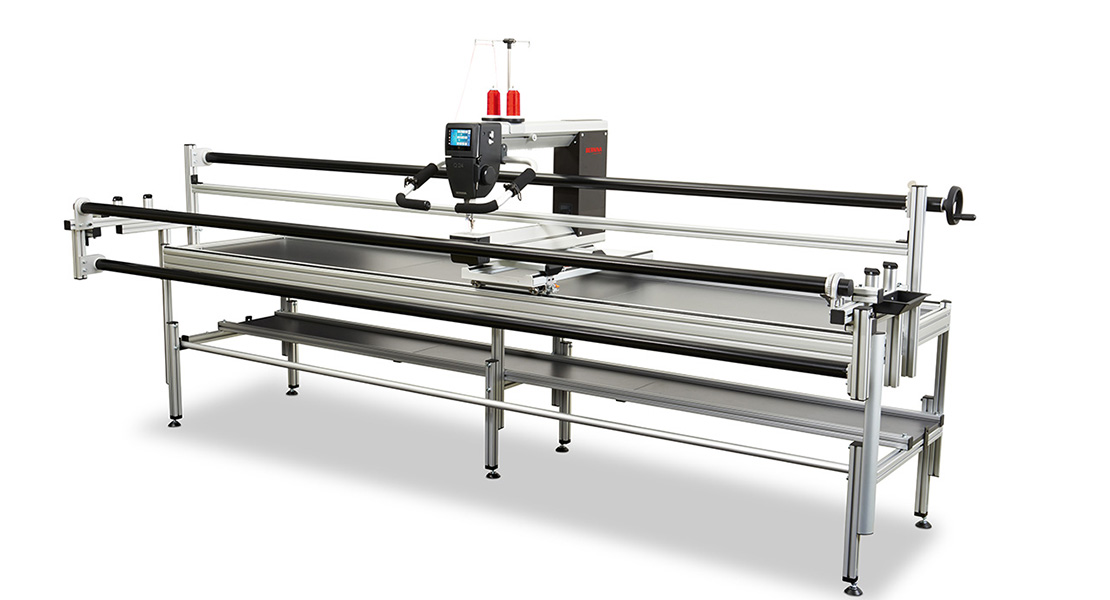
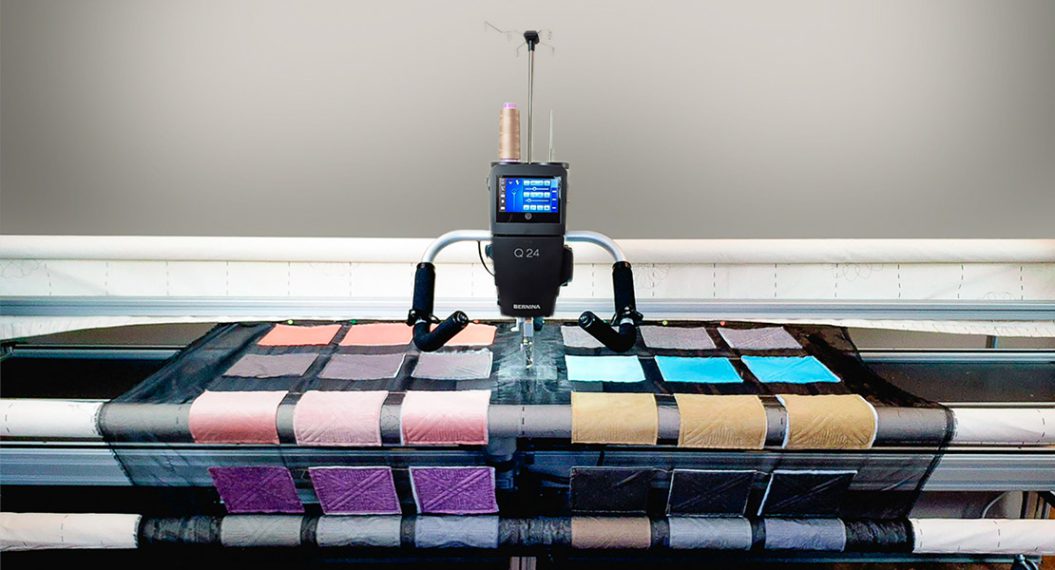
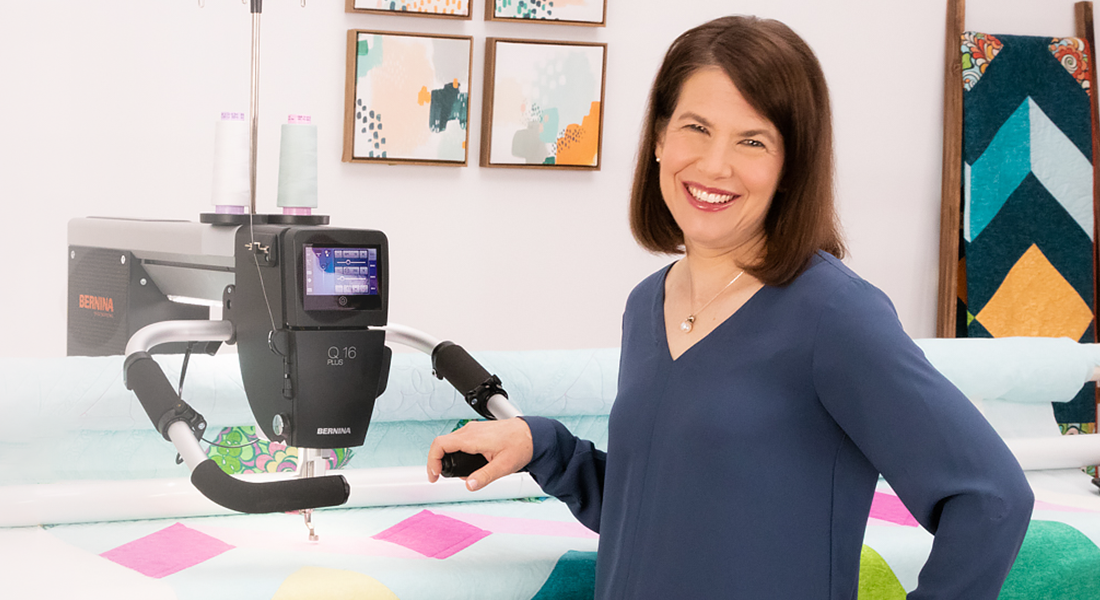
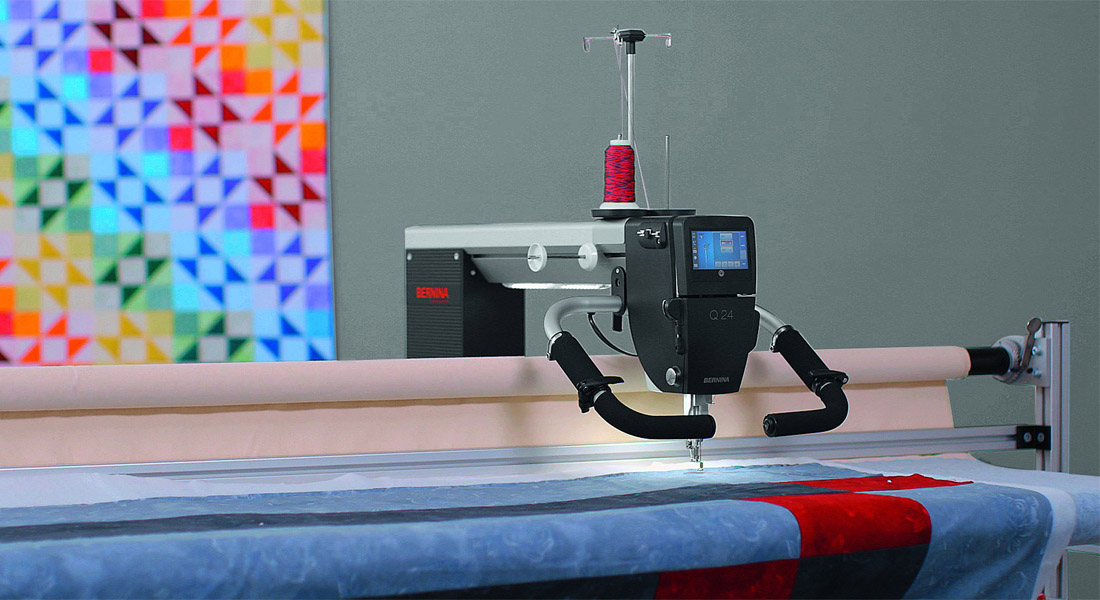
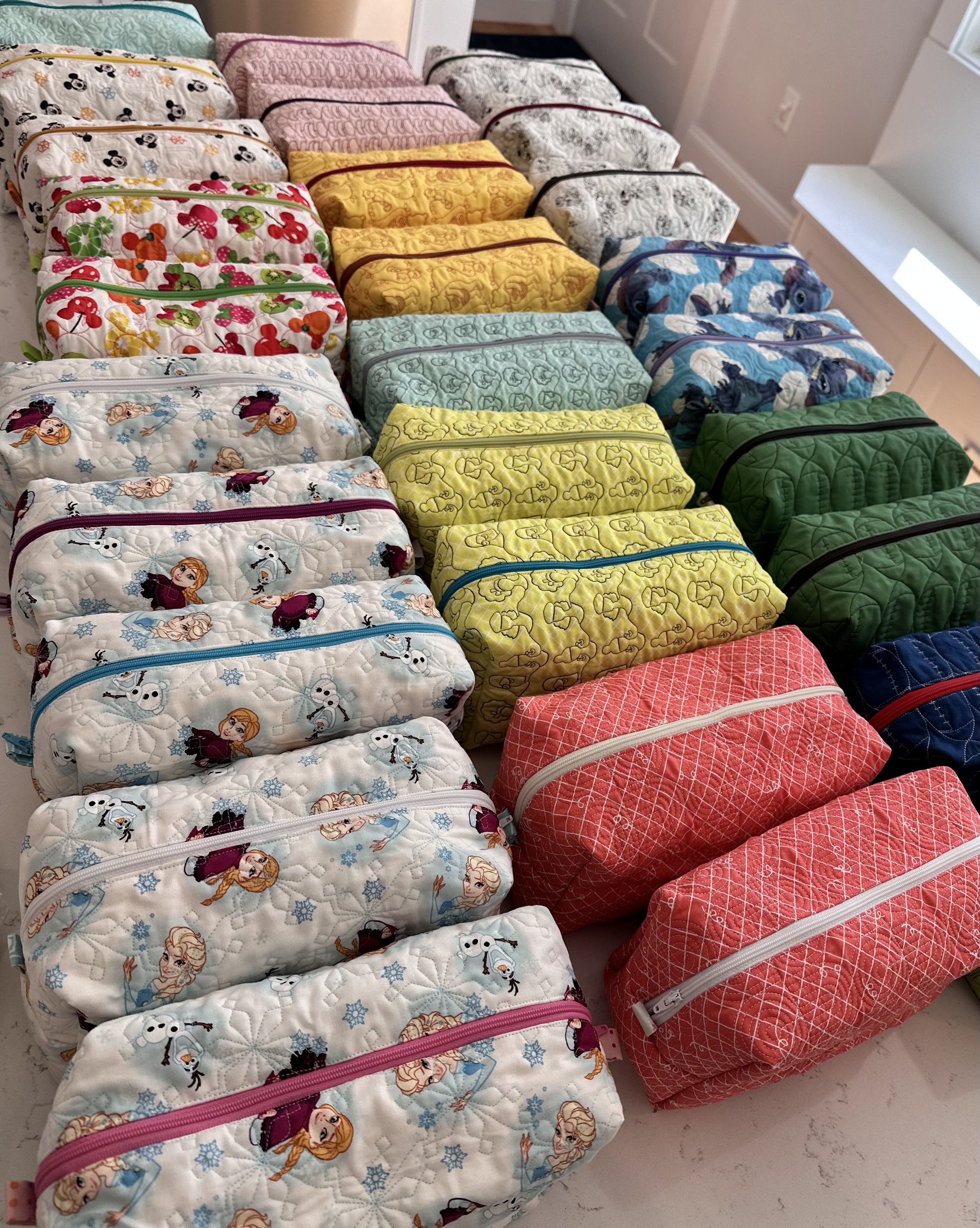
As I’ve explored my BERNINA Q 24 with Q-matic, I’ve gone down the rabbit hole around pantographs and what I could do with them when playing with scale, thread, and fabric choices. At our BERNINA Ambassador retreat for the class of 2024, we were all graciously gifted some fabrics, and as a team, we decided to undertake a challenge where we created something using our machines and the provided fabric. I decided to quilt up a yard of the fabric I was gifted in a dense pantograph using contrasting thread and sew up a zippered pouch. After making this pouch, I got to thinking… What else could I make with some quilted fabric to give as gifts and have fun playing with my longarm? I’ll share a few examples of what I made and some tips and tricks along the way.
Choosing the Right Quilting Design
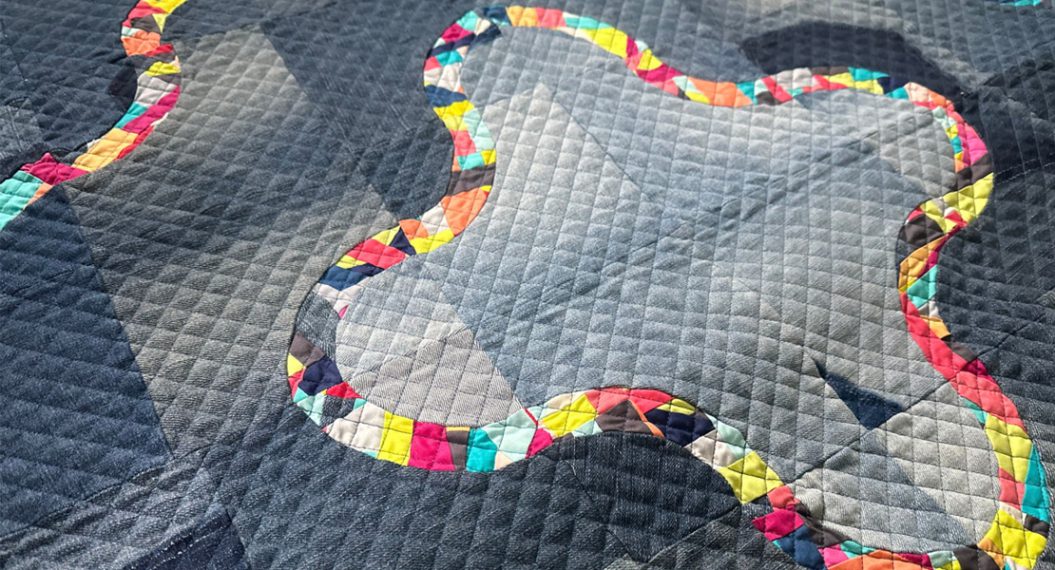
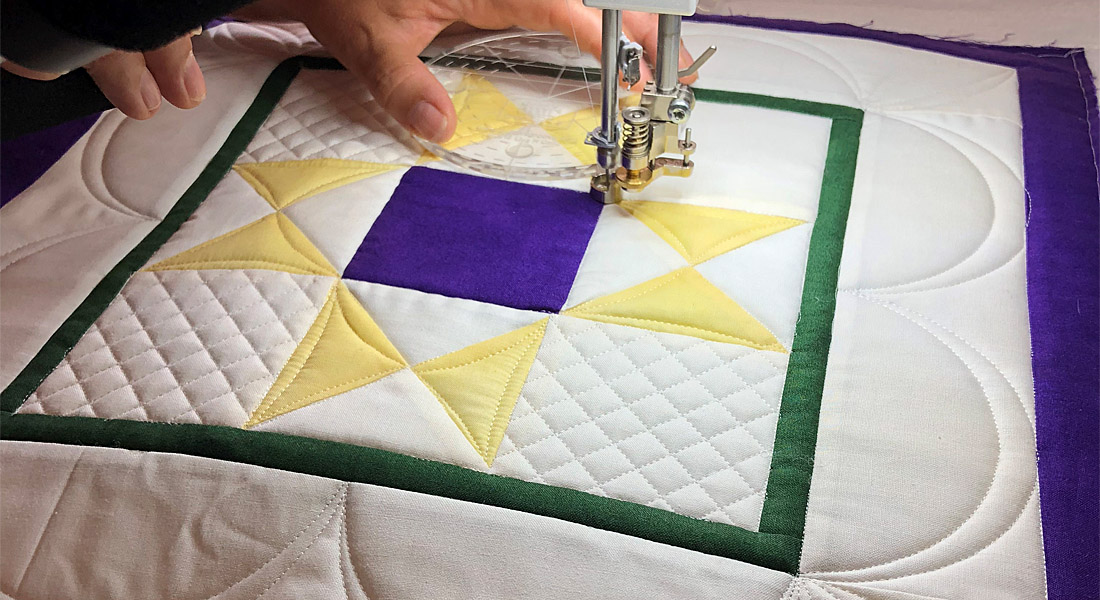
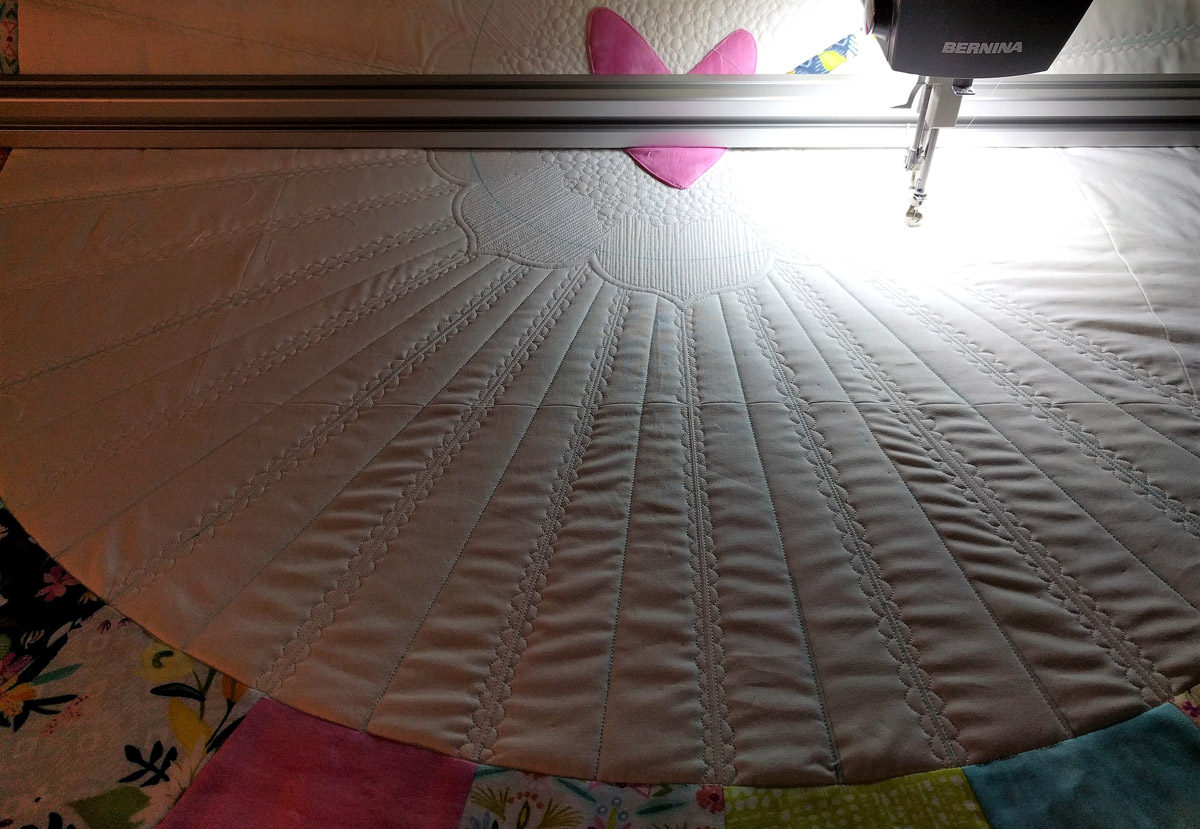
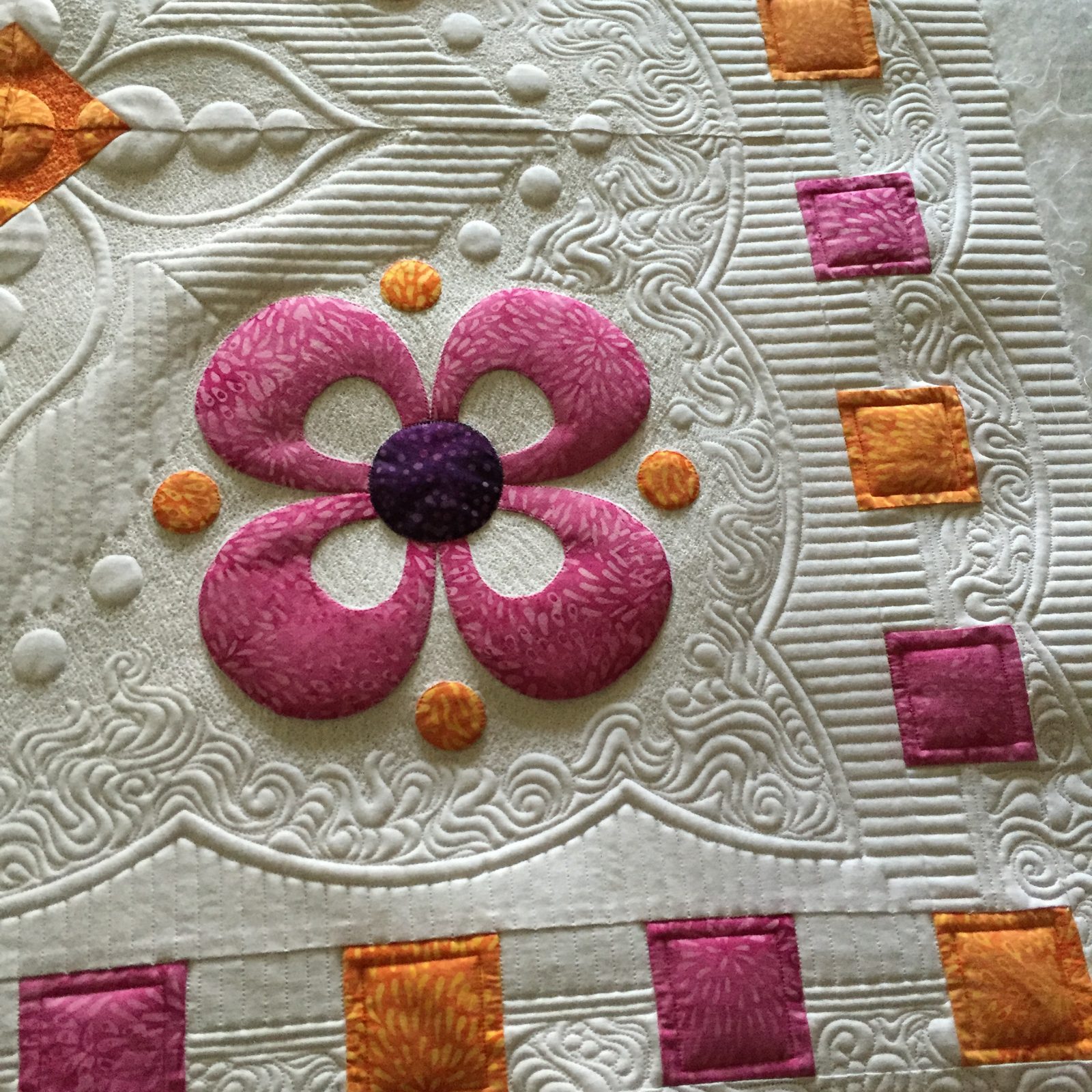
When deciding to quilt up some fabric for a quilted object, it’s important to consider the scale of your design. If you’re using a pantograph, you might want to scale the design down if you’re making a smaller item and want the quilting design to shine. When you cut up your quilted fabric you won’t see as much of the quilting like you would in a traditional quilt, so making a design smaller can prevent the design from getting lost.
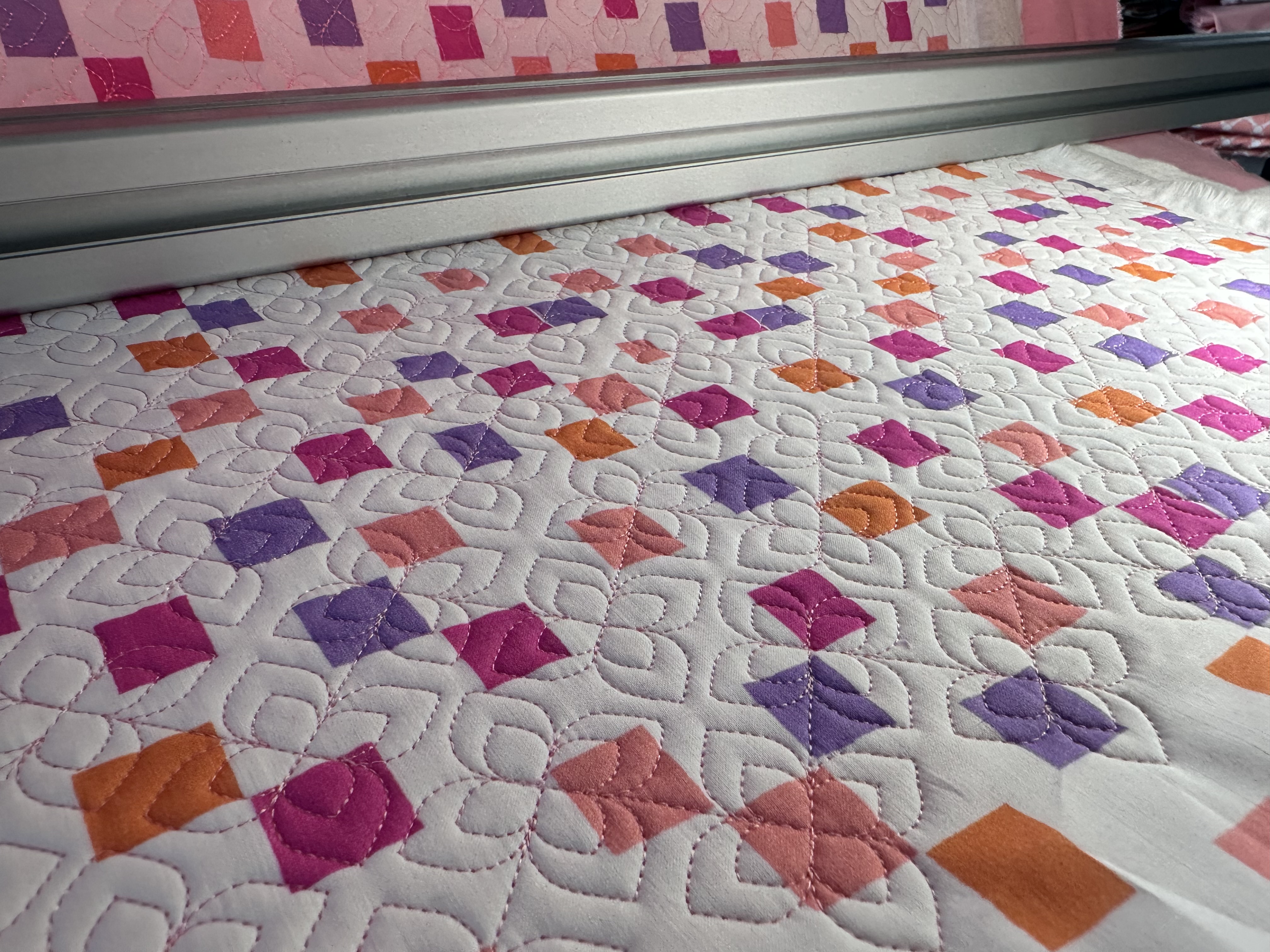
When it comes to the scale of the quilting, you also need to consider that the density of the quilting will impact how stiff the finished item is. If you want something to be a bit stiffer, you definitely want to consider a denser quilting. If you want something to be softer, you probably want to consider a design that would work when quilted out at a larger scale.
Considerations
Thread
When making quilted fabric to turn into other items, I like to make the quilting the focus as opposed to the fabric design. Of course if you want the fabric to shine, go for it. In these instances I like to use a contrasting thread color and a thicker weight of thread when I want the quilting to be the focal point and a thinner thread that blends in with the fabric when I don’t want it to be the focal point. Generally if I want the thread to be the focus I’ll use a 40wt thread and when I want it to blend in I’ll use a 50wt for reference.
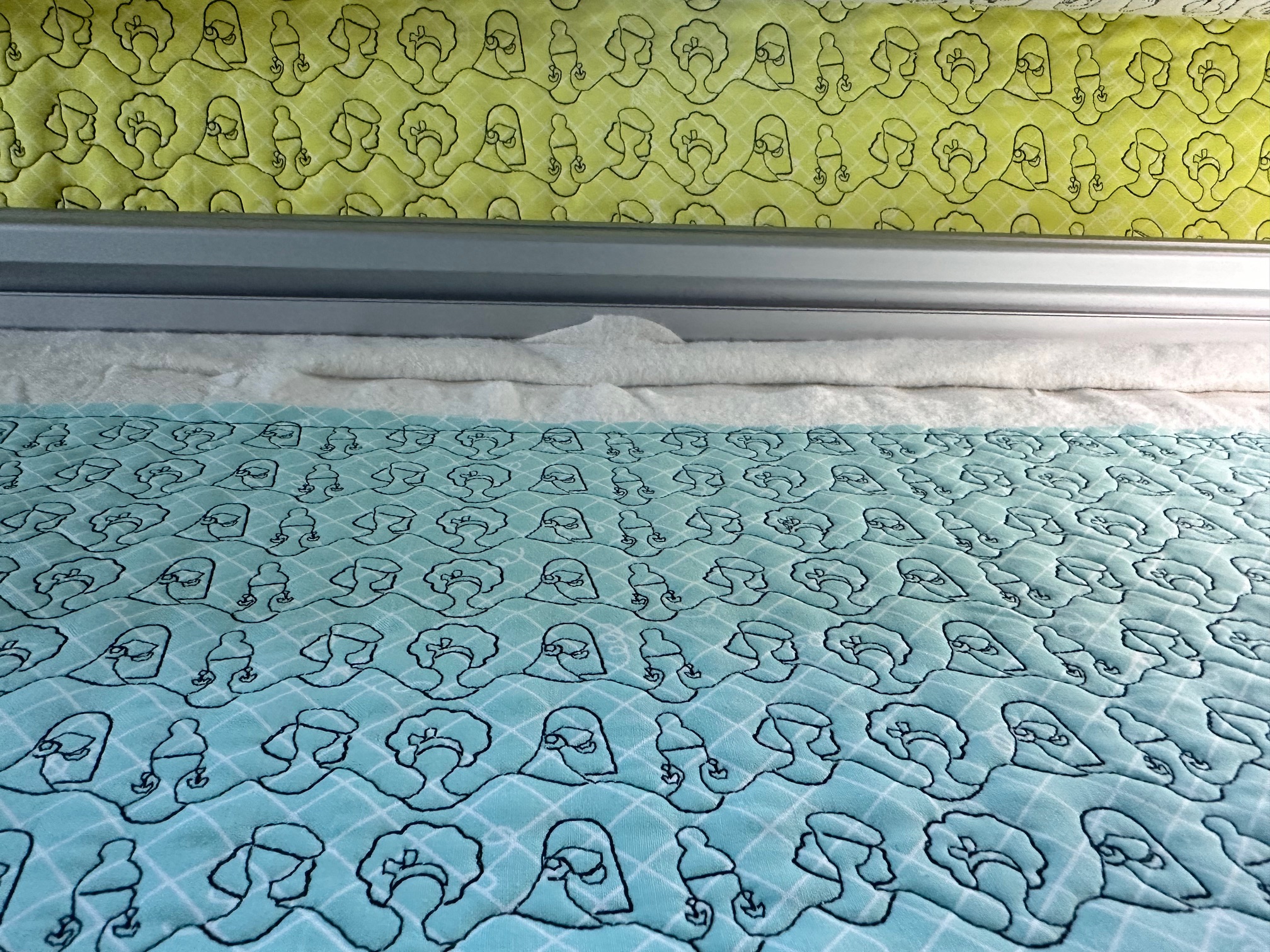
Oh, and when it comes to bobbins, this is a great way to use up a lot of your half full bobbins because in many instances, you won’t see the back at all. For instances where you might see the back, maybe keep your bobbin thread in mind then.
Batting
Quite frankly, this kind of project is the perfect one to use up leftover batting. I’ve used cotton and bamboo batting for many of my quilted projects here and had no issues. Use what you have and don’t overthink this part.
Backing
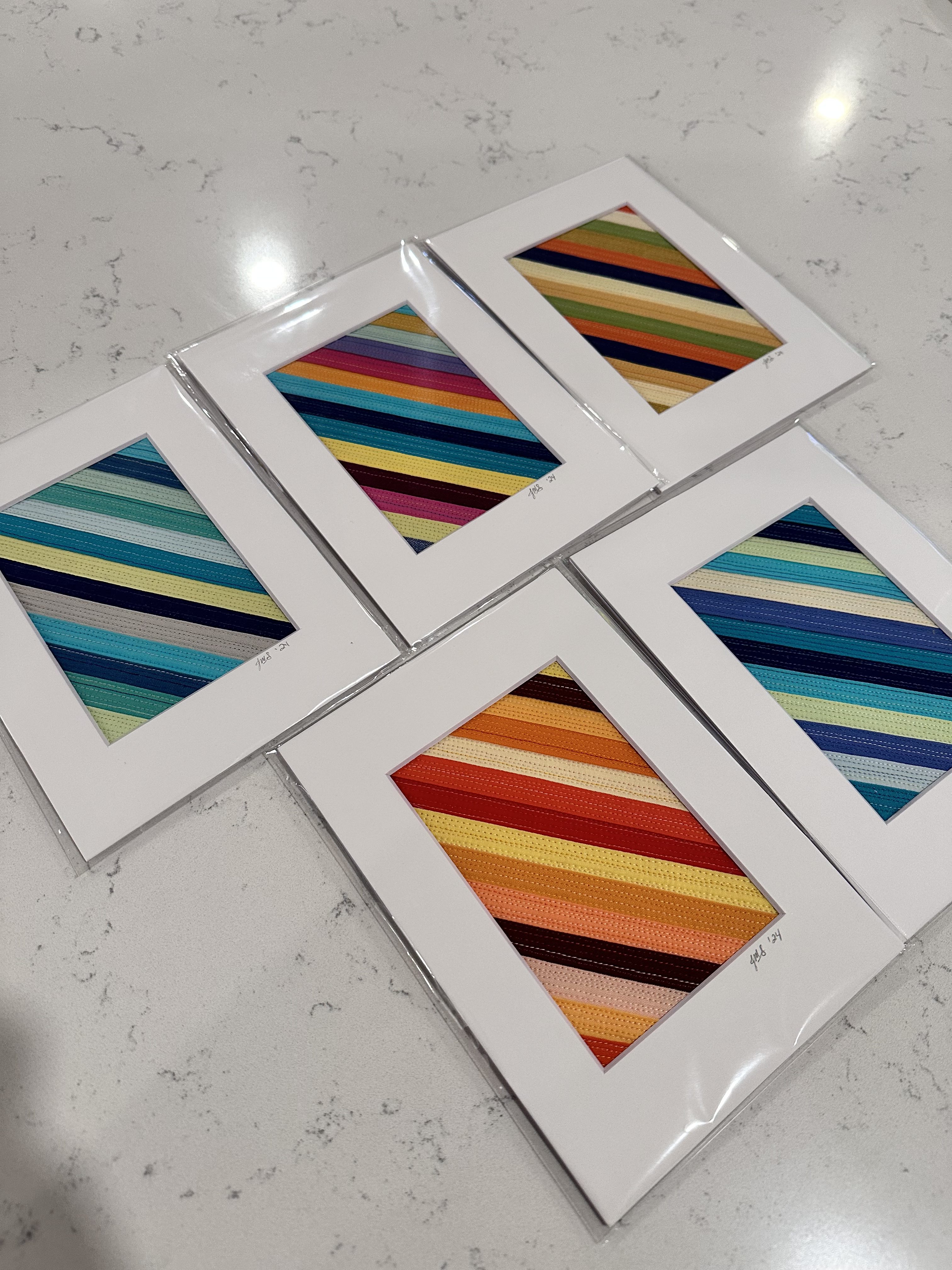
You’ll notice a theme here–I take advantage of leftover fabric and notions to make a lot of these quilted fabric items. When it comes to the backing, that holds true. For things like quilted bags, sunglasses cases, quilted art, and more, you will never see the backing that you load onto the frame. As such, I recommend using a thin muslin as your backing, which will also add a slight layer of thickness, or some leftover or clearance fabric. If you’re planning on using some leftover or clearance fabric you have lying around, you’ll want to pay attention to the colors and test if you can see through the fabric you want featured on the outside, especially if using a print on the back and a thin batting when longarm quilting your fabric.
Quilting the Fabric
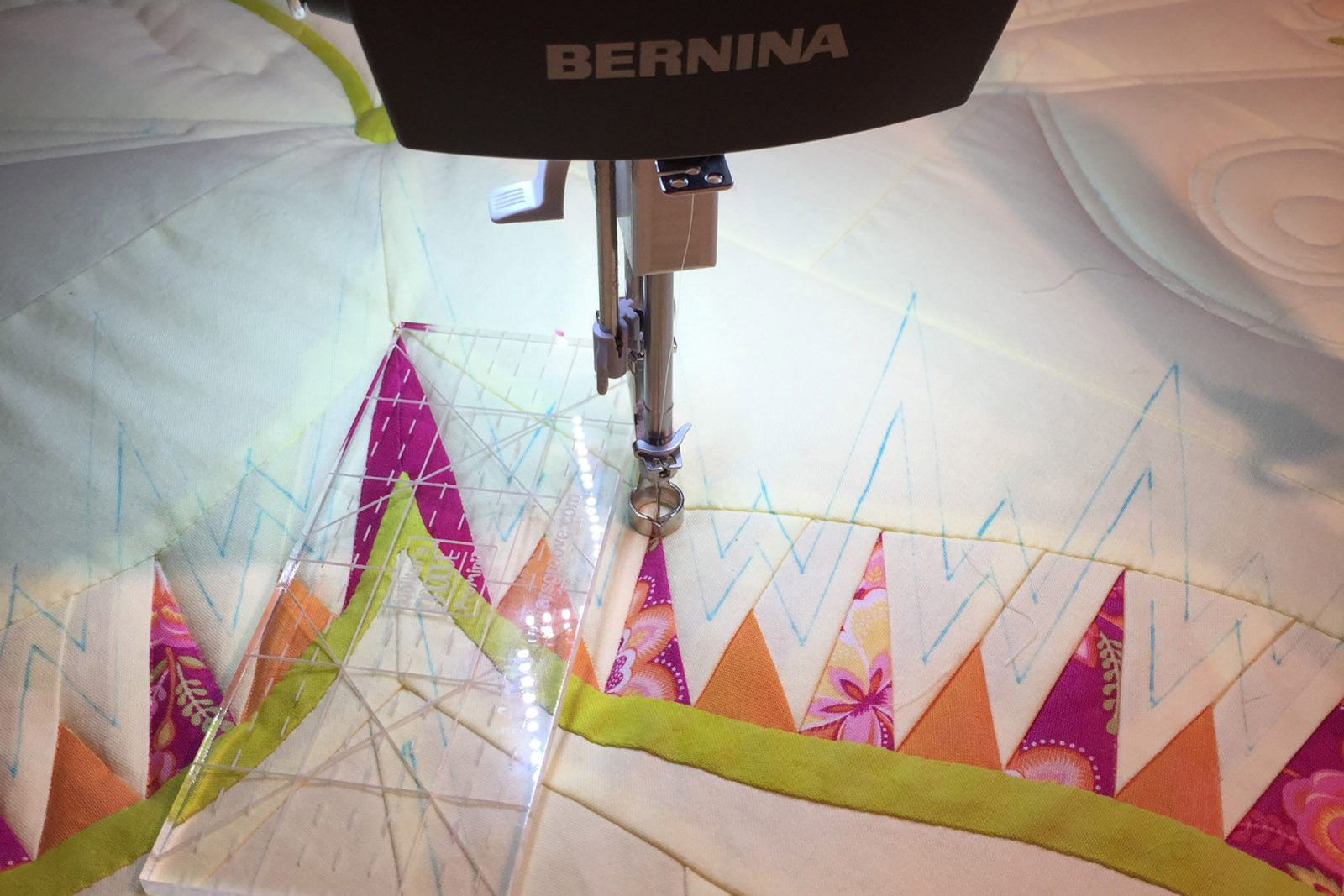
You’re finally ready to quilt your fabric to begin turning it into a masterpiece. I highly recommend using a stitch length of 10, 11, or 12 (the number represents the number of stitches per inch) when quilting fabric to turn into other items. I don’t recommend using a stitch length larger than 10 stitches per inch because you’re going to cut the fabric up and break up the stitching and it could unravel more than you’d like as you handle the quilted fabric.

Using the Quilted Fabric
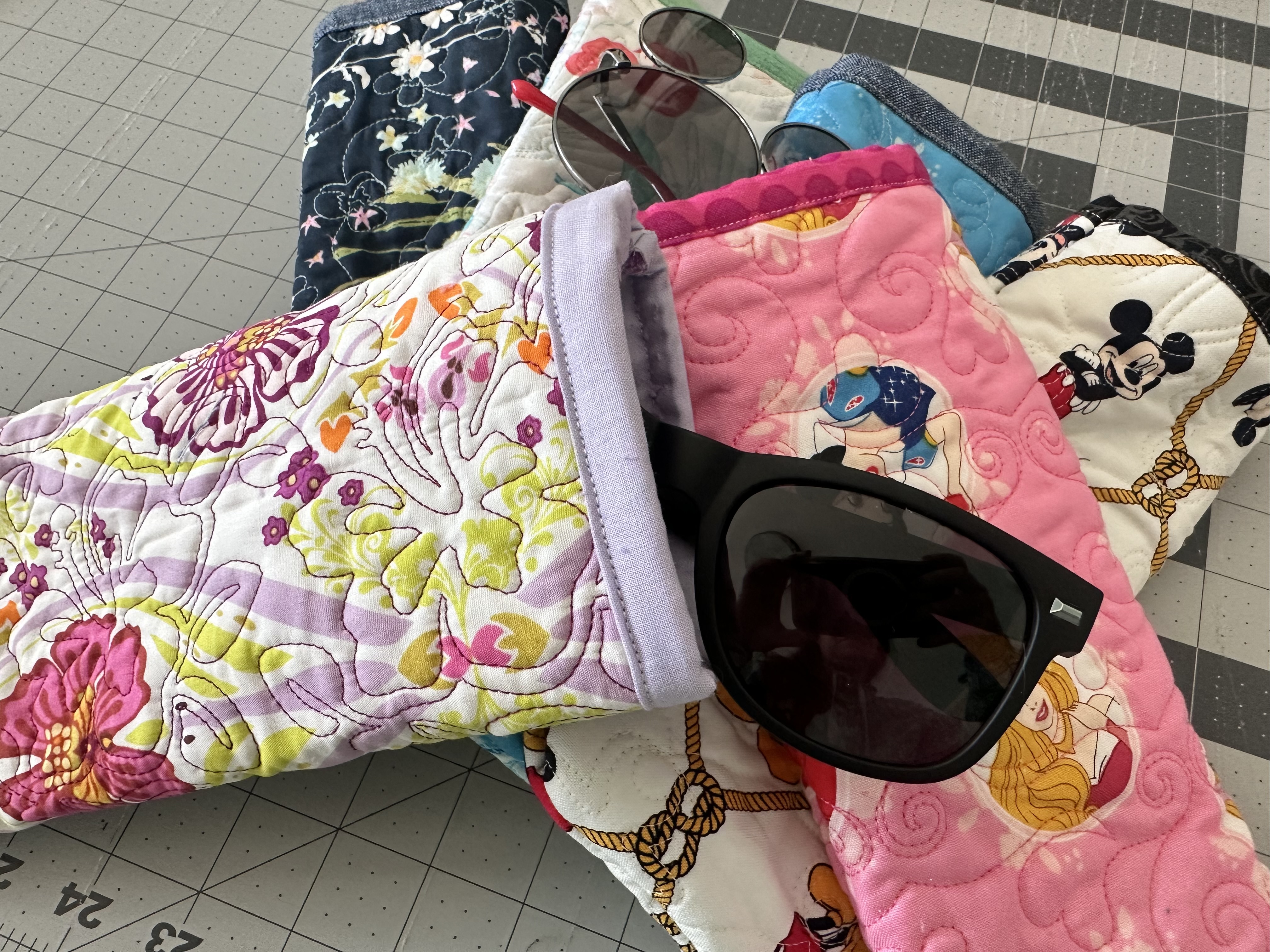
Now it’s time to use your quilted fabric to make something amazing. Personally, I don’t like to cut into my quilted fabric until I’m ready to use it to avoid the stitches unraveling too much, but if you’re going to store the cut pieces somewhere safe where they won’t be touched much to cause unraveling, you can cut it up however you’d like. Because you’re cutting through three layers, two fabric layers and batting, you definitely want to make sure you have a sharp rotary blade or scissors, just like you would when trimming a quilt for binding. There were a number of instances where I had some leftover quilted fabric, and I was able to use some of those scraps to make additional, smaller items. For example, I prioritized making several zipper pouches and had some smaller segments left that I was able to turn into sunglass cases, coffee cozies, and more. So don’t get rid of some of those smaller scraps after you use your quilted fabric for your primary project.
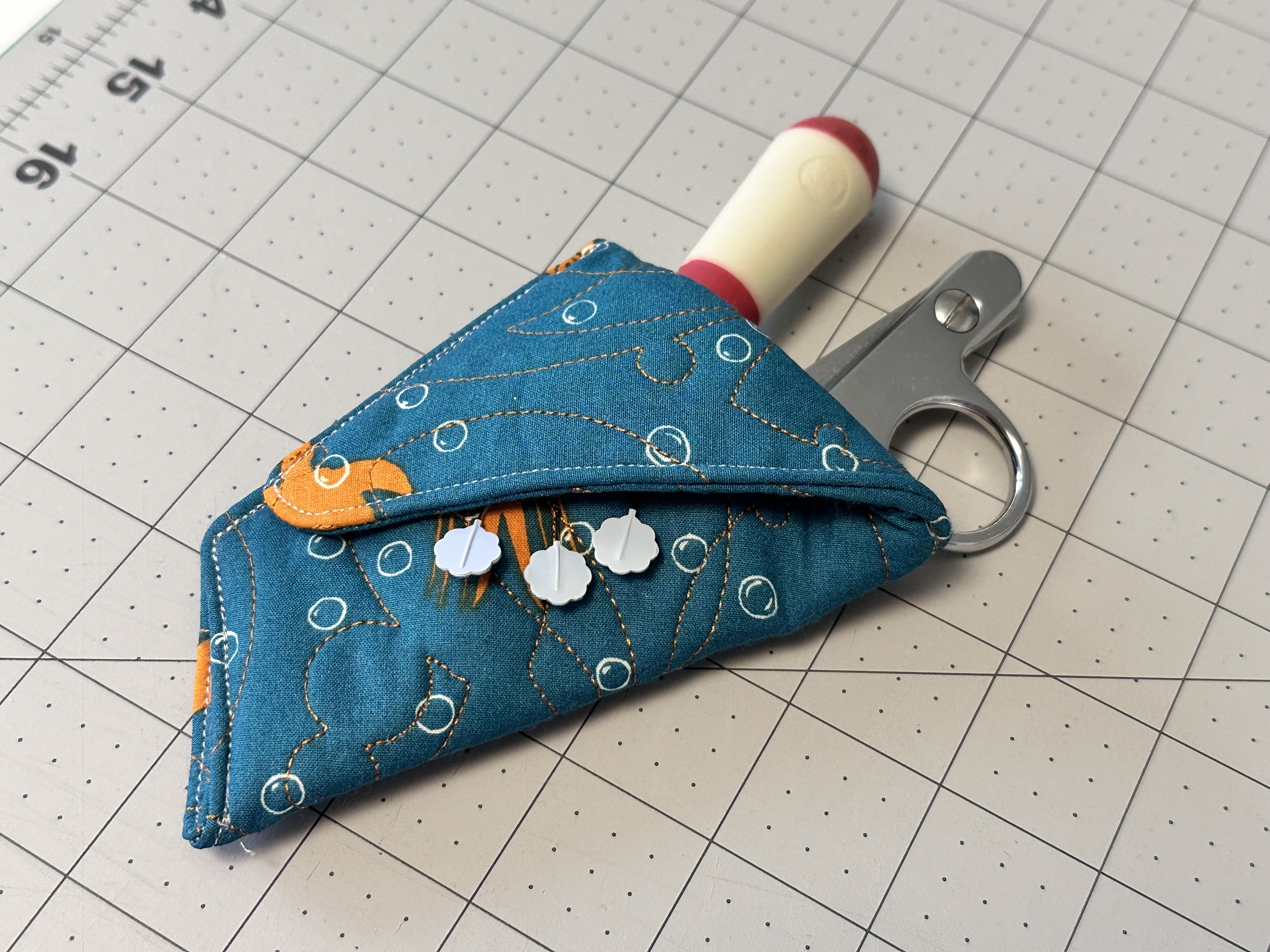
WeAllSew Projects
Below are some WeAllSew projects you could follow as you use your quilted fabric:
What project are you looking forward to making with quilted fabric?